Beauty Story Clinic Gangnam — Personalized 1:1 Aesthetic Care & Anti-Aging Specialists


Medical Guide
How Long Should You Stay in Seoul for Non-Surgical Skin Treatments
Planning a Seoul skin-treatment trip? A caveated guide to stay length, downtime, and follow-up for US patients. Individualized; confirm with the clinic.
Schedule a ConsultationHow Long Should You Stay in Seoul for Non-Surgical Skin Treatments
Medically reviewed by Dr. SEO BINNA, Korean Board-Certified Plastic Surgeon
One of the first practical questions US patients ask before traveling to Seoul is deceptively simple: how many days do I actually need to be here? It matters for flights, hotels, time off work, and budget. Yet there is no single correct answer, because the length of your stay depends on the specific treatment plan, how many sessions it involves, and how your individual skin responds and recovers. This guide walks through the factors that shape a realistic timeline for non-surgical skin treatments so you can plan sensibly and ask the right questions before you book.
At Beautiful Story Clinic (BSC), a physician-led aesthetic clinic in Gangnam, treatment is personally planned and performed by Dr. SEO BINNA after an individual facial analysis, rather than assigned from a pre-packaged protocol. That means your personal plan, and therefore your ideal stay length, is something to confirm directly with the clinic before you finalize travel dates. The ranges below are general and educational only, never a promise of a specific number of days.
Why There Is No One-Size-Fits-All Answer
Non-surgical skin treatments cover a wide range of procedures, from injectable skin boosters to energy-based devices such as radiofrequency, microneedling, ultrasound-based tightening, and laser resurfacing. Each has a different typical recovery profile, and each person heals at their own pace. Two patients receiving the same treatment on the same day can experience noticeably different redness, swelling, or bruising.
Several variables drive how long you may want to stay:
- The specific treatments in your plan and how they are combined
- Whether your plan calls for a single visit or multiple sessions spaced days or weeks apart
- The intensity or dosage used, which is tailored to your skin
- Your personal healing response, skin sensitivity, and medical history
- How much visible downtime you are comfortable having in public before flying home
Because these factors interact, the only reliable way to set your dates is an individualized consultation. Any day count you read online, including in this article, is a general illustration and not a guarantee that applies to your case.
General Downtime Ranges (Educational, Not Guaranteed)
The following are broad, commonly described recovery patterns for categories of non-surgical skin treatments. They are offered to help you frame questions, not to predict your outcome. Your actual experience may be shorter, longer, or different, and results and risks vary from person to person.
Minimal-downtime treatments
Some skin boosters and gentle device treatments are often associated with minimal social downtime, sometimes described as a day or two of mild redness, small injection marks, or slight swelling. Even so, bruising can occur and may last longer than expected in some individuals. If your plan is limited to lower-intensity treatments, you may need only a short stay, but you should still leave a buffer in case you want a review visit or a touch-up conversation.
Moderate-downtime treatments
Energy-based procedures such as certain radiofrequency, microneedling, or fractional laser treatments can produce redness, swelling, pinpoint scabbing, or a sunburn-like sensation that commonly settles over several days. Patients frequently prefer to allow this initial phase to calm down before a long flight and before returning to normal social or work settings. A somewhat longer stay can give you room to attend a post-treatment check and to raise any concerns in person rather than remotely.
Multi-session plans
Some skin goals are approached with a series of sessions rather than a single appointment. When sessions are spaced days apart, patients sometimes compress part of a series into one trip; when they are spaced weeks apart, it may be more practical to complete some sessions at home or on a return visit. Your clinician will advise what spacing is appropriate for your plan. Do not assume an entire multi-session course can safely be crammed into a few days, because appropriate intervals exist for good reasons.
Building a Realistic Trip Timeline
A useful way to think about your stay is in three phases: consultation, treatment, and a recovery-and-review buffer. Building in each phase, rather than booking the tightest possible schedule, tends to make the trip less stressful and safer.
Phase 1: Consultation and planning
Even if you have communicated with the clinic in advance, an in-person consultation and facial analysis is where your actual plan is confirmed. It is reasonable to allow time at the start of your trip for this assessment before any treatment is performed. In some cases the clinician may recommend adjusting the plan after seeing your skin in person, which can affect how the rest of your days are scheduled.
Phase 2: Treatment days
Depending on your plan, treatment may happen in one appointment or across a few. Because BSC operates a reservation-based, one-patient-per-hour system, sessions are scheduled to give each appointment focused clinical time; this also means your dates should be arranged with the clinic in advance rather than assumed to be available on demand.
Phase 3: Recovery and review buffer
Perhaps the most commonly underestimated part of the trip is the buffer at the end. Leaving a cushion of extra days lets initial redness or swelling settle, gives you the option of an in-person follow-up before departure, and provides a margin if you simply want more recovery time before a long-haul flight. The US Centers for Disease Control and Prevention (CDC) specifically advises medical travelers to plan for recovery time and to avoid scheduling activities too tightly around a procedure, which is sound guidance for aesthetic trips as well.
A worked example of the buffer mindset
Imagine you have planned a trip built entirely around a single treatment day, with a flight home the very next morning. On paper it looks efficient. In practice, if you experience more bruising or swelling than anticipated, or if the clinician suggests a brief review before you leave, you have no flexibility left. By contrast, a schedule that keeps one or two open days at the end costs relatively little and gives you options: rest, a follow-up visit, or simply more time before sitting on a long-haul flight. The goal is not to over-plan but to avoid a timeline so tight that any normal variation in recovery becomes a problem.
Factors That Can Lengthen or Shorten Your Stay
Beyond the treatment category itself, several personal and practical factors can nudge your ideal stay longer or shorter. Understanding them helps you have a more productive conversation with the clinic.
- Combination plans: When more than one treatment is combined in a visit, cumulative redness or swelling may be more noticeable, which some patients prefer to let settle before flying.
- Skin sensitivity and history: A history of easy bruising, sensitive skin, or certain medications can affect recovery and is important to disclose during consultation.
- Sun exposure and activity: Some treatments come with post-care guidance around sun protection and activity; building a calmer few days into your trip can make that easier to follow.
- Personal comfort with visible healing: If you have events or work soon after returning, you may want extra days so that any temporary redness has faded before you are back in public.
None of these factors can be reduced to a formula. They are reasons to plan with a clinician rather than to assume a fixed number of days will fit every situation.
Continuity of Care: Planning Beyond Your Departure Date
Deciding how long to stay is not only about the days immediately around treatment. It is also about what happens after you fly home. The CDC emphasizes continuity of care for medical travelers, including keeping copies of your records, arranging appropriate follow-up, and knowing who to contact if a question or complication arises once you are back in the United States.
Before you travel, it is worth clarifying a few practical points with the clinic and, where relevant, with a qualified clinician at home:
- How to reach the clinic with questions after you return
- What aftercare steps are recommended and for how long
- What signs would warrant prompt medical attention
- Which records or treatment details to bring home for your files
Thinking through these items in advance can influence your ideal stay length. For example, if you would feel more comfortable having an in-person review before departure, you may choose to add a day or two.
Realistic Expectations About Results and Risks
It is important to separate downtime from results. Even when visible recovery is short, many non-surgical skin treatments produce changes that develop gradually over weeks, not instantly, and some are intended to be part of a longer course. A short stay may be enough to receive treatment and recover socially, while the outcome you are hoping for continues to evolve after you are home.
All medical procedures, including non-surgical ones, carry potential risks such as redness, swelling, bruising, temporary discomfort, infection, or less common reactions. These vary by treatment and by individual. A qualified clinician can explain the specific risks relevant to your plan during your consultation, which is another reason the in-person assessment is central to planning your trip.
How Beautiful Story Clinic Approaches Planning
BSC is a Registered Medical Institution for Attracting Foreign Patients, certified by Korea's Ministry of Health and Welfare (MOHW). This is a Korean government registration for institutions serving international patients; it is not a US or JCI accreditation and it is not a guarantee of any particular outcome. The clinic offers English-language international patient support to help coordinate the practical side of a visit.
Because BSC builds each plan on an individual facial analysis rather than a fixed package, and because Dr. SEO BINNA personally oversees and performs treatment, the clinic is the right place to confirm your specific number of sessions, spacing, and recommended buffer days. Rather than committing to non-refundable flights around a guessed timeline, share your goals with the clinic first and let the recommended plan shape your dates.
A Note on This Article
This article is educational and general in nature. It is not a self-diagnosis tool and it cannot tell you how many days you personally will need. It also cannot substitute for a professional evaluation. Please treat any ranges here as illustrative, and rely on an in-person consultation with a qualified clinician for advice specific to your skin, your plan, and your health.
Bottom Line
There is no universal number of days for a Seoul skin-treatment trip. Stay length depends on your specific plan, the number of sessions, the intensity of treatment, and your individual recovery, all of which are personalized. Non-surgical treatments often involve minimal to moderate downtime, but building in a consultation phase, treatment days, and a recovery-and-review buffer is the safest way to plan. Confirm your exact timeline with Beautiful Story Clinic before booking travel, keep continuity of care in mind for after you return, and remember that results and risks vary from person to person.
FAQ
**Can I get non-surgical skin treatments done in a single day?**Some lower-intensity treatments may be delivered in one appointment, but that does not mean it is ideal to fly home immediately afterward. A short recovery buffer is generally wise, and multi-session plans should not be compressed against clinical advice. Confirm what is appropriate for your plan with the clinic.
**How much downtime should I expect?**It depends entirely on the treatment and on you. Some skin boosters are associated with only a day or two of mild redness or bruising, while certain energy-based treatments may involve several days of redness or swelling. These are general patterns, not guarantees; your clinician can give you a realistic picture during consultation.
**Should I plan extra days at the end of my trip?**Many patients find a buffer at the end valuable. It allows initial redness or swelling to settle, leaves room for an in-person follow-up before departure, and provides a margin before a long flight. The CDC also advises medical travelers to allow adequate recovery time.
**What happens if I have a question after I return home?**Plan for continuity of care before you leave. Ask the clinic how to reach them with post-treatment questions, keep copies of your records, and know which signs would warrant prompt medical attention at home. Establishing this in advance is part of responsible medical travel.
**Who decides my final schedule?**Your individualized plan, and therefore your ideal stay length, should be confirmed directly with Beautiful Story Clinic after an in-person consultation and facial analysis. Online ranges, including those in this article, are only general guidance.
Clinical References & Related Hospital Guides
- Related Clinic Pages: About Our Clinic & Safety Standards · Clinical Centers & Specialties · 1:1 Consultation & Appointment Inquiry
- Authoritative Medical References: American Academy of Dermatology (AAD) · NCBI PubMed Clinical Literature
More Articles
Continue reading our clinical guides.
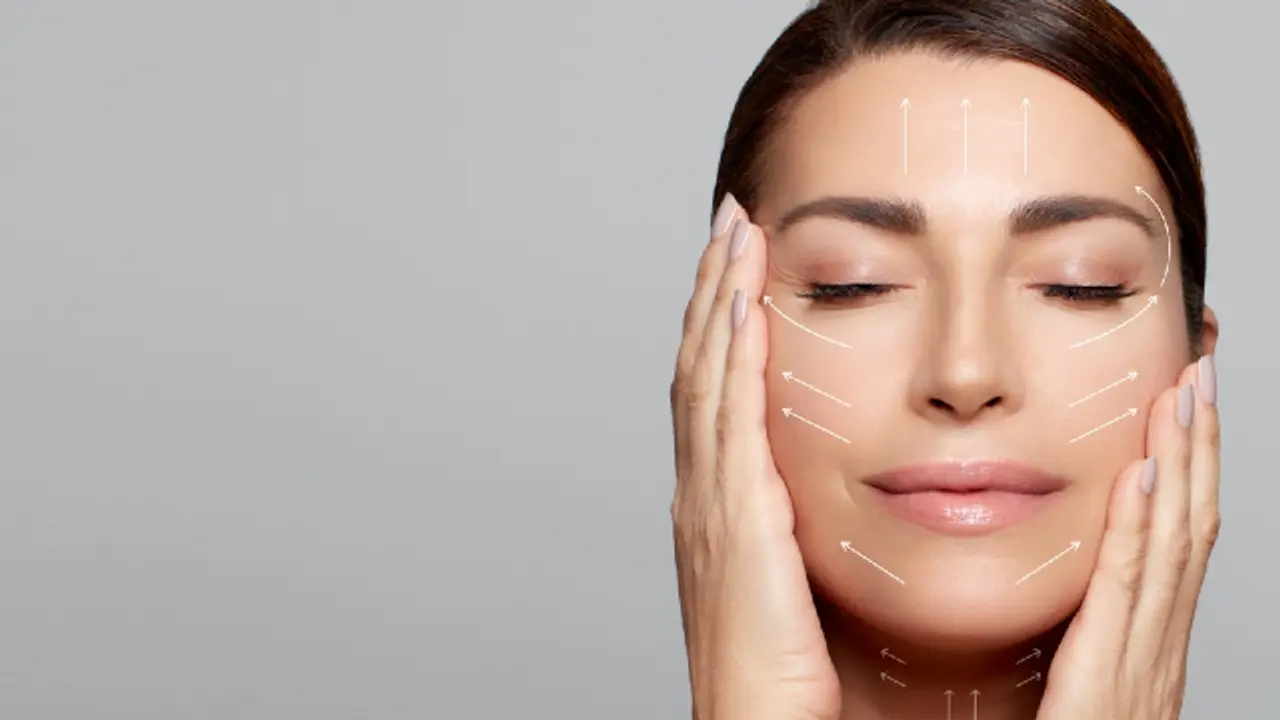
Dr. SEO BINNA Guide To Seoul Plastic Surgery Excellence
Learn why Dr SEO BINNA is the premier choice for lifting and surgery in Seoul. Discover Beautiful Story Clinic for expert care and natural results.
Learn More
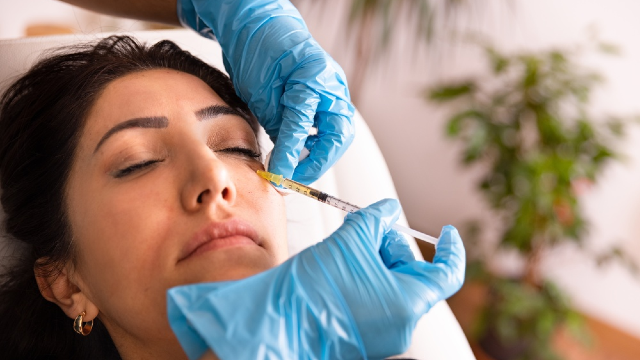
Stem Cell Skin Treatment Korea 2026 Clinical Guide
Discover the definitive 2026 guide to stem cell skin treatment in Korea at Beautiful Story Clinic. Learn about IV therapy and fat grafting safety.
Learn More
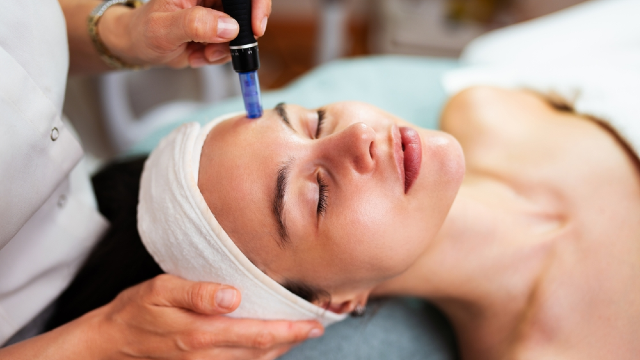
Oligio RF Korea Results Cost and Professional Guide 2026
Discover the benefits of Oligio RF Korea for non surgical skin tightening. Learn about results and costs in Seoul versus the USA from Dr. SEO BINNA today.
Learn More