Beauty Story Clinic Gangnam — Personalized 1:1 Aesthetic Care & Anti-Aging Specialists

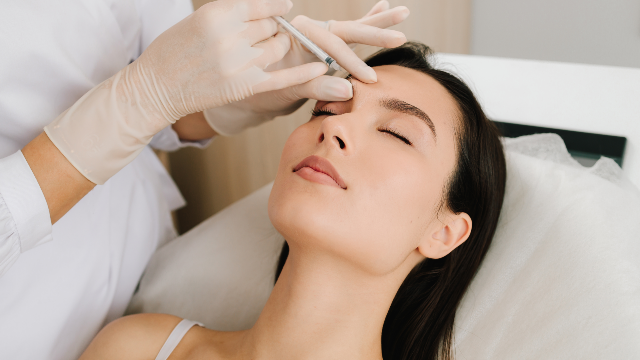
Medical Guide
Korea vs USA Non-Surgical Facelift: A Side-by-Side Technology and Care Comparison
Korea vs USA non-surgical facelift: technology, device regulation, and care models, with CDC medical-tourism context. Reviewed by Dr. SEO BINNA.
Schedule a ConsultationKorea vs USA Non-Surgical Facelift: A Side-by-Side Technology and Care Comparison
Medically reviewed by Dr. SEO BINNA, Korean Board-Certified Plastic Surgeon
"Non-surgical facelift" is an umbrella term, not a single procedure. It usually refers to a combination of energy-based devices, injectables, and thread treatments that aim to firm, lift, and refresh the face without an operation. US patients researching these treatments increasingly compare two markets — the United States and Korea — and want to understand how they actually differ. This guide sets out a side-by-side comparison of the technology, the regulatory landscape, and the care model in each country, and it does so neutrally. It does not tell you that one country is "better," and it does not quote or compare prices; cost is highly individual and belongs in a direct conversation with a clinic.
What this guide will do is help you ask better questions. It also takes medical travel seriously as a health decision, not just a shopping decision, and anchors that part of the discussion to guidance from the US Centers for Disease Control and Prevention (CDC) on medical tourism. This article is educational and is not a self-diagnosis tool; whether any non-surgical treatment is appropriate for you can only be determined through an in-person consultation and individualized assessment with a qualified physician.
First, What "Non-Surgical Facelift" Actually Means
Because the term is loose, it helps to define the toolbox before comparing countries. A non-surgical facelift plan may draw on several categories of treatment, often in combination:
- Energy-based devices that heat tissue to stimulate collagen — including radiofrequency (RF), radiofrequency microneedling, and microfocused or high-intensity focused ultrasound (HIFU).
- Injectables — including hyaluronic acid fillers, calcium hydroxylapatite, and collagen-stimulating products such as poly-L-lactic acid.
- Thread lifting, which uses dissolvable threads to reposition tissue and support collagen formation.
None of these is a surgical facelift, and none is equivalent to one. They are generally aimed at mild to moderate skin laxity, results develop gradually and vary between individuals, and they are not permanent. Keeping this toolbox in mind is important, because the Korea-versus-USA comparison is really a comparison of which tools are available, how they are regulated, and how care is organized around them.
Technology: A Broadly Shared Toolbox, With Some Differences
One of the most common assumptions is that one country has fundamentally more advanced technology than the other. The more accurate picture is that the underlying technologies — RF, RF microneedling, ultrasound-based tightening, injectables, and threads — are used in both markets. Many of the specific platforms US patients recognize are global products. RF microneedling systems such as Potenza, RF skin-tightening platforms from manufacturers such as InMode, monopolar RF systems such as Thermage, and microfocused-ultrasound systems such as Ultherapy are examples of technologies that appear internationally rather than in only one country.
Where the markets differ is in the breadth of the device menu at any given time and in which specific devices have cleared which country's regulatory pathway. Korea has an active aesthetic-device sector, and clinics in areas like Gangnam often offer a wide range of energy-based and thread-based options, including some devices that are cleared in Korea but not in the United States. The United States, in turn, has devices and product formulations cleared through the US FDA that may not all be identically available elsewhere. So rather than "more advanced versus less advanced," the honest framing is "overlapping core technologies, with market-specific differences in the exact device menu and its regulatory status."
The Regulatory Landscape: FDA vs MFDS
This is where a careful, neutral comparison is genuinely useful, because the two countries run separate regulatory systems, and one clearance does not imply the other.
In the United States, aesthetic devices and injectable products are regulated by the US Food and Drug Administration (FDA). Devices are typically "cleared" (often through the 510(k) pathway) for specific indications, while certain injectable products are "approved." The label matters: FDA clearance or approval refers to a specific device or product for a specific indication, not to a clinic, a technique in general, or a guaranteed outcome.
In Korea, devices and products are regulated by the Ministry of Food and Drug Safety (MFDS). A device cleared by the MFDS has met Korean regulatory requirements, which is a separate process from US FDA clearance. This means some devices used in Korean clinics are Korean/MFDS-regulated and are not FDA-cleared, while others are technologies that also hold US FDA clearance. Neither situation is inherently a problem; it simply means the regulatory status attaches to the specific device, and you cannot infer a device's US status from the fact that it is offered in Seoul, or vice versa.
For US patients, the practical takeaway is precise: if regulatory status matters to you, ask the clinic which specific device or product would be used in your plan and what its clearance status is. Do not rely on the general category name. A treatment described simply as "RF tightening" or "a collagen booster" could involve a device or product with quite different regulatory footing depending on the exact brand. Confirming the specific device is far more informative than comparing countries in the abstract.
A note on device and product distinctions
It is also worth understanding that "non-surgical facelift" spans both devices and injectables, and their regulatory language differs. Energy devices are generally cleared; injectable products may be approved. Some collagen-stimulating injectables that are popular internationally are distinct from their FDA-approved counterparts — for example, an FDA-approved poly-L-lactic acid product is not the same as a different poly-D,L-lactic acid product that may be offered elsewhere, even though both are described as collagen biostimulators. Again, the specific product name is what determines its regulatory status, so it is the right thing to confirm at consultation.
The Care Model: How Treatment Is Organized
Beyond technology and regulation, the way care is structured shapes the experience, and here the comparison is less about the country and more about the individual clinic you choose.
In both countries, standards of who performs aesthetic treatments can vary by setting, ranging from physician-led clinics to med spas with varying levels of physician involvement. In the United States, non-surgical aesthetic treatments may be delivered in a range of settings, and professional bodies such as the American Society of Plastic Surgeons emphasize the importance of confirming the qualifications of whoever will treat you. The same principle applies in Korea: the relevant question is not only "which country" but "who, specifically, will assess and treat me, and what are their qualifications."
At Beautiful Story Clinic in Gangnam, Seoul, the documented care model is physician- and specialist-led. The clinic's chief director, Dr. SEO BINNA, is a Korean Board-Certified Plastic Surgery Specialist, and the clinic's stated philosophy centers on natural-looking results and personalized, specialist-led care that combines surgical expertise with advanced non-invasive technologies. It is worth being clear that Korean board certification is its own system, distinct from US board certification; the two are separate, and one is not a substitute for the other. Understanding this distinction is part of making an informed choice, and it is another reason to ask about specific credentials rather than assume.
Foreign-Patient Status: What It Does and Does Not Mean
For US patients specifically, one Korea-side fact often comes up: some Korean clinics are registered to attract and treat foreign patients. Beautiful Story Clinic is a Registered Medical Institution for Attracting Foreign Patients, certified by the Korean Ministry of Health and Welfare (MOHW) under the relevant Korean legislation.
It is important to read this correctly. This registration is a Korean government designation indicating the clinic is authorized to treat international patients. It is not US or international hospital accreditation such as JCI, it is not equivalent to US regulatory approval, and it is not a guarantee of any particular outcome. It is a piece of context about the clinic's authorization to serve foreign patients under Korean law, and nothing more. Treating it as more than that would be a mistake, in either direction.
Medical Tourism: The Considerations That Actually Matter
If you are weighing treatment abroad, the most important part of a Korea-versus-USA comparison is not technology or even price — it is continuity of care. This is where CDC guidance on medical tourism is the right anchor, because it frames medical travel as a health decision with real considerations, not simply a way to access a treatment.
The core issues the CDC highlights for anyone considering medical care abroad include the following, adapted here to non-surgical aesthetic treatment:
- Follow-up and continuity of care. Many non-surgical treatments are not one-and-done. Energy-based treatments and biostimulator injectables work gradually and may involve a course of sessions or maintenance over time, and any procedure can have a delayed question or side effect. If you are treated in Seoul and return to the United States, plan in advance for how follow-up, monitoring, and any needed aftercare will be handled once you are home. Ask who you will contact, and how, if a question arises weeks later.
- Risk and complications. Every procedure carries some risk. Even minimally invasive aesthetic treatments can cause temporary effects such as redness, swelling, or bruising, and less common complications are possible. Traveling adds logistical layers to managing any complication that appears after you have left the country where you were treated.
- Records and communication. The CDC emphasizes keeping copies of your medical records and being able to communicate clearly with your care team. For an international plan, that means understanding exactly what was done, which specific devices or products were used, and having documentation you can share with a clinician at home if needed.
- Timing around travel. Some procedures interact with travel itself — for example, healing, activity restrictions, or the timing of flights relative to a treatment. These are practical points worth raising with the clinic when you plan the trip.
None of these considerations is a reason not to seek care abroad; many patients travel for treatment and are satisfied. They are a reason to plan deliberately. The single most useful thing you can do is to think through follow-up and continuity of care before you travel, rather than after.
Putting It Together: A Neutral Side-by-Side
Stepping back, here is how the comparison actually shakes out when you strip away the marketing on both sides:
- Technology: The core technologies — RF, RF microneedling, ultrasound tightening, injectables, and threads — are used in both countries. Differences lie in the exact device menu available at a given time and in which specific devices hold which country's clearance, not in one country having categorically superior science.
- Regulation: The US FDA and Korea's MFDS are separate systems. A device's status in one does not imply its status in the other. The informative question is always about the specific device or product in your plan, not the country.
- Care model: Quality of care depends on the specific clinic and clinician more than on the country. Confirm who will assess and treat you and what their qualifications are. Korean and US board certification are distinct systems.
- Medical travel: Continuity of care is the decisive practical consideration, and CDC medical-tourism guidance is the sensible anchor. Plan follow-up, records, risk management, and travel timing before you go.
Notice what is absent from this list: a verdict. That is intentional. A responsible comparison gives you the axes to evaluate, not a pre-decided winner, because the right answer depends on your specific goals, anatomy, and circumstances — and on a clinic you have vetted.
Where Cost Fits In
You may have arrived expecting a price comparison. This guide does not provide one, and that is a deliberate choice rather than an oversight. Costs for non-surgical treatments depend on the specific plan — which devices or products, how many sessions, which areas, and how the parameters are tailored to you — and those variables can only be defined at a consultation. Comparing headline numbers between countries, without accounting for what is actually included, tends to mislead more than it informs. If cost is part of your decision, the right move is to get a plan-specific answer directly from the clinic you are considering, and to weigh it alongside the continuity-of-care considerations above rather than in isolation.
What No Non-Surgical Facelift Can Promise
Regardless of country, honesty about limits matters. A non-surgical facelift is not a surgical facelift and does not produce the same degree of change; it is generally aimed at mild to moderate laxity. Results develop gradually, vary between individuals, and are not permanent, and no specific percentage of improvement or guaranteed outcome should be promised. Every treatment carries risks — energy devices can cause temporary redness, warmth, swelling, and rarely burns; injectables and threads carry their own risk profiles including bruising, swelling, and less common complications. A full, individualized discussion of benefits and risks is part of any responsible consultation.
Bottom Line
A Korea-versus-USA non-surgical facelift comparison is best understood as a comparison of overlapping technology, separate regulatory systems, and clinic-specific care models — not as a contest with a single winner. The core devices and injectables are used in both markets; the US FDA and Korea's MFDS are distinct systems, so the meaningful question is the status of the specific device or product in your plan; and the quality of care depends more on the individual clinic and clinician than on the country. If you are considering treatment abroad, continuity of care is the decisive factor, and CDC medical-tourism guidance is the right anchor for planning follow-up, records, and risk. Beautiful Story Clinic in Seoul offers a physician- and specialist-led model led by a Korean board-certified plastic surgeon and is MOHW-registered to treat foreign patients — context that should inform, not decide, your choice. For cost and for what specifically would suit you, speak directly with the clinic, and let an in-person consultation determine what is appropriate. This article is not a self-diagnosis tool.
Frequently Asked Questions
**Is non-surgical facelift technology more advanced in Korea or the USA?**Neither market has categorically more advanced technology. The core technologies — RF, RF microneedling, ultrasound tightening, injectables, and threads — are used in both countries. The differences lie in the exact device menu available at a given time and in which specific devices hold which country's regulatory clearance, so the useful question is about the specific device, not the country.
**What is the difference between FDA and MFDS clearance?**The US FDA and Korea's Ministry of Food and Drug Safety (MFDS) are separate regulatory systems. A device cleared by one has not automatically been cleared by the other. Some devices used in Korean clinics are MFDS-regulated and not FDA-cleared, while others are technologies that also hold US FDA clearance. Clearance attaches to a specific device or product, not to a clinic or an outcome.
**What should I plan for if I travel to Korea for treatment?**Follow CDC medical-tourism guidance: plan for continuity of care and follow-up once you return home, understand the risks and how complications would be managed after you travel, keep copies of your medical records including which specific devices or products were used, and consider the timing of treatment relative to your flights. Planning follow-up before you go is the most valuable step.
**Does Beautiful Story Clinic's foreign-patient registration mean it is internationally accredited?**No. Beautiful Story Clinic is a Registered Medical Institution for Attracting Foreign Patients under the Korean Ministry of Health and Welfare (MOHW). This is a Korean government designation authorizing it to treat international patients. It is not US or JCI accreditation, not equivalent to US regulatory approval, and not a guarantee of any outcome.
**How much does a non-surgical facelift cost in Korea versus the USA?**This guide does not compare prices because cost depends on the specific plan — the devices or products, number of sessions, treatment areas, and customization — which can only be defined at a consultation. Contact the clinic directly for plan-specific pricing, and weigh it alongside continuity-of-care considerations rather than on headline numbers alone.
**Is a non-surgical facelift the same as a surgical facelift?**No. Non-surgical treatments are generally aimed at mild to moderate laxity, develop gradually, vary between individuals, and are not permanent. They are not equivalent to a surgical facelift. Whether a non-surgical approach suits your goals can only be determined through an in-person consultation and individualized assessment.
This article is for general education only and is not a self-diagnosis tool or a substitute for professional medical advice. Whether any non-surgical facelift treatment is appropriate for you can only be determined through an in-person consultation and individualized assessment with a qualified physician such as Dr. SEO BINNA. Results vary between individuals, no outcome is guaranteed, and all treatments carry risks that should be discussed with your physician. Medical-device regulatory status differs by country; US FDA clearance and Korea's MFDS clearance are separate systems, and you should confirm the specific device or product used with the clinic. If you are considering care abroad, review current CDC medical-tourism guidance and plan for continuity of care before you travel.
Clinical References & Related Hospital Guides
- Related Clinic Pages: About Our Clinic & Safety Standards · Clinical Centers & Specialties · 1:1 Consultation & Appointment Inquiry
- Authoritative Medical References: American Society of Plastic Surgeons (ASPS) · Korean Society of Plastic and Reconstructive Surgeons (KSPRS)
More Articles
Continue reading our clinical guides.
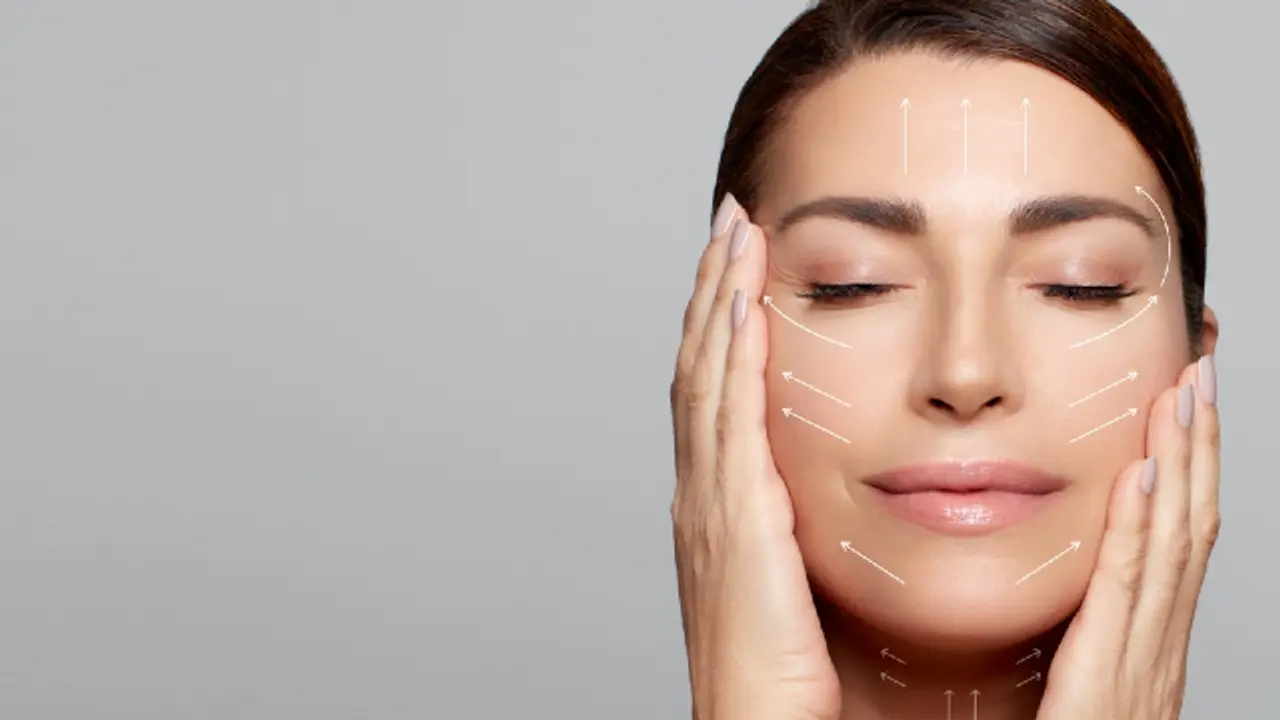
Dr. SEO BINNA Guide To Seoul Plastic Surgery Excellence
Learn why Dr SEO BINNA is the premier choice for lifting and surgery in Seoul. Discover Beautiful Story Clinic for expert care and natural results.
Learn More
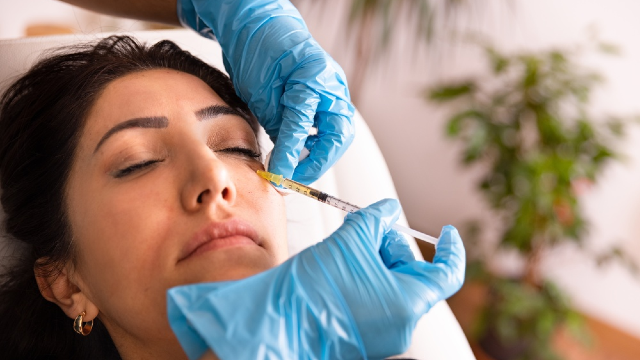
Stem Cell Skin Treatment Korea 2026 Clinical Guide
Discover the definitive 2026 guide to stem cell skin treatment in Korea at Beautiful Story Clinic. Learn about IV therapy and fat grafting safety.
Learn More
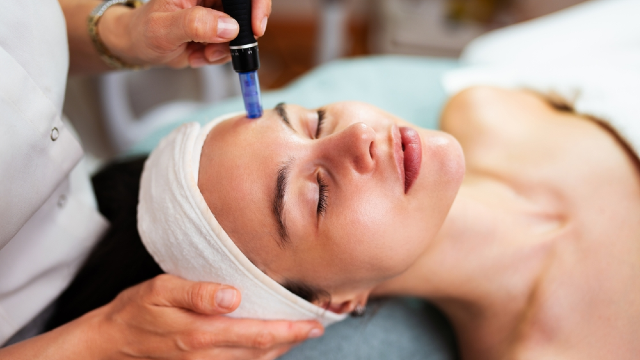
Oligio RF Korea Results Cost and Professional Guide 2026
Discover the benefits of Oligio RF Korea for non surgical skin tightening. Learn about results and costs in Seoul versus the USA from Dr. SEO BINNA today.
Learn More