Beauty Story Clinic Gangnam — Personalized 1:1 Aesthetic Care & Anti-Aging Specialists


Medical Guide
What Is Neocollagenesis? The Science Behind Energy-Based Skin Tightening
Neocollagenesis explained: how controlled energy triggers wound healing to build new collagen over weeks to months. Educational, results vary.
Schedule a ConsultationWhat Is Neocollagenesis? The Science Behind Energy-Based Skin Tightening
Medically reviewed by Dr. SEO BINNA, Korean Board-Certified Plastic Surgeon
If you have researched skin tightening, you have probably seen the word "neocollagenesis" used to explain how radiofrequency and ultrasound treatments work. The term sounds technical, but the underlying idea is straightforward: energy-based devices prompt the skin to build new collagen. Understanding this biology helps explain why these treatments take time to show results, why outcomes differ from person to person, and why no reputable clinician can promise a specific transformation.
This article is an educational explainer, not medical advice or a self-diagnosis tool. It cannot tell you whether a particular treatment suits your skin. Only an in-person evaluation with a qualified physician can assess your anatomy, skin quality, and goals and determine whether any procedure is appropriate for you.
Neocollagenesis, Defined
"Neocollagenesis" simply means the formation of new collagen. "Neo" means new, and "collagenesis" refers to the production of collagen, the structural protein that gives skin its strength and firmness. When aesthetic clinicians use the term, they are describing the body's ability to manufacture fresh collagen fibers in response to a controlled stimulus.
Collagen is the most abundant protein in the human body and forms much of the scaffolding within the dermis, the deeper layer of skin beneath the surface. Alongside elastin, which provides recoil, collagen keeps skin taut and resilient. As explained by resources such as StatPearls on the NCBI Bookshelf, collagen production naturally declines with age, and existing fibers become more fragmented over time, contributing to wrinkles and laxity.
The goal of energy-based tightening is to encourage the skin to replace some of that lost collagen. Rather than adding a substance from outside, these treatments aim to activate the body's own repair machinery so it produces collagen where it is needed.
Not all collagen is identical, either. The skin contains different collagen types, and the balance and organization of those fibers change with age, with mature skin showing more fragmented and disorganized collagen. Neocollagenesis is not only about producing more collagen but also about prompting the skin to lay down and remodel fibers in a more organized way. This distinction matters because the quality and arrangement of new collagen, not just its quantity, influence how firm and supported the skin feels.
The Wound-Healing Response
The scientific foundation of neocollagenesis is the body's wound-healing response. This is the same coordinated biological process that repairs an injury, adapted here as a controlled, therapeutic stimulus rather than an accidental wound. Energy-based devices deliver precise thermal or mechanical energy to targeted depths, creating microscopic zones of controlled thermal effect that the body then repairs.
Wound healing generally proceeds through overlapping phases. The first is an inflammatory phase, in which the body detects the controlled injury and recruits immune cells and signaling molecules to the area. This is followed by a proliferative phase, during which specialized cells called fibroblasts migrate into the zone and begin producing new collagen and other components of the extracellular matrix. Finally, a remodeling phase can continue for weeks to months, as the freshly laid collagen matures, reorganizes, and strengthens.
Because this cascade unfolds gradually, the visible benefits of energy-based tightening are not immediate. The device does not physically pull the skin tight in the treatment room. Instead, it sets in motion a repair process whose results emerge slowly as new collagen forms and organizes. This is why clinicians describe outcomes in terms of weeks to months rather than days.
How Energy Triggers the Process
Different technologies deliver energy in different ways, but the shared principle is controlled heating of the deeper skin layers while protecting the surface. Two of the most common categories are radiofrequency (RF) and high-intensity focused ultrasound (HIFU).
Radiofrequency uses electrical energy to generate heat within tissue as it meets the skin's natural resistance. By raising the temperature of the dermis into a specific therapeutic range, RF is intended to cause partial, controlled denaturation of existing collagen and to signal fibroblasts to produce new collagen during healing. RF platforms are engineered to reach target depths while cooling or sparing the outermost skin.
High-intensity focused ultrasound takes a different route. It focuses sound-wave energy to create tiny, precise thermal coagulation points at set depths beneath the surface, leaving the intervening tissue relatively untouched. These discrete zones of controlled thermal effect become sites of collagen remodeling as the body repairs them. HIFU can reach deeper foundational layers that some other devices do not target.
In both cases, temperature and precision matter. Too little energy may not trigger a meaningful response; too much can risk injury. This balance is why device settings are individualized and why treatment is performed by trained clinicians rather than self-administered.
A useful way to picture the difference is by depth and pattern of energy delivery. RF tends to heat a broader volume of tissue as current passes through it, which is why it is often described as a bulk-heating technology. HIFU, by contrast, concentrates energy into small, discrete points at specific depths, leaving columns of untreated tissue between them that aid faster healing. Neither pattern is inherently superior; they simply reach and stimulate tissue differently, and the right choice depends on the individual, the treatment area, and the clinical goal. This is one reason clinicians avoid framing any single technology as the "best" option for everyone.
Naming Devices and Regulatory Status Accurately
When specific devices are discussed, it is important to state regulatory status correctly, because "FDA approval" is often used loosely. In the United States, several energy platforms are FDA-cleared for particular tightening or wrinkle indications. Thermage FLX, a monopolar capacitive RF system, is US-FDA-cleared for facial and periorbital wrinkles. InMode RF platforms such as Forma and Morpheus8 are US-FDA-cleared bipolar or multipolar RF devices. Potenza RF microneedling is US-FDA-cleared. Ultherapy PRIME, a microfocused ultrasound device with real-time imaging, is US-FDA-cleared for brow, submental, and neck lift indications and for décolleté lines.
Some injectable collagen stimulators also rely on neocollagenesis but work by a different mechanism than energy devices. Sculptra, made of poly-L-lactic acid, is US-FDA-approved as a collagen stimulator that produces gradual results. Radiesse, a calcium hydroxylapatite product, is US-FDA-approved as a filler and volumizer; it is not reversible with hyaluronidase and is not used in the lips. These are mentioned here only to illustrate that collagen stimulation can occur through more than one pathway.
By contrast, several products used in Korea are approved by the Korean Ministry of Food and Drug Safety (MFDS) but are not FDA-approved. Examples include certain regenerative injectables and some Korean-market energy devices offered in Seoul. Accurate labeling matters: a device or product that is MFDS-approved should not be described as FDA-cleared or FDA-approved. If you are considering treatment, it is reasonable to ask which regulatory clearance a proposed device holds and for which indication.
Why Results Vary and Take Time
Because neocollagenesis depends on your own biology, outcomes are inherently individual. The quality and quantity of new collagen a person produces depend on factors such as age, baseline skin condition, sun damage, genetics, overall health, smoking status, and the specific device and settings used. Two people receiving the same treatment can experience noticeably different results.
The gradual timeline is a direct consequence of the healing cascade. Collagen synthesis and remodeling take place over weeks and continue for months after a session, which is why many people are advised that final results are best judged some months later, and why maintenance sessions are sometimes part of a plan. Patience is part of the process, not a sign that a treatment has failed.
It is equally important to understand what neocollagenesis does not do. It does not stop aging, and it does not permanently cure laxity. The intrinsic decline in collagen and ongoing environmental exposure continue after treatment, so results are not permanent and no clinician can guarantee a specific outcome. Energy-based tightening is best understood as stimulating a natural process, with realistic, gradual, and variable benefits.
The biology also explains why supporting your skin between and after treatments makes sense. Because the same external factors that break collagen down remain active, habits such as consistent sun protection, not smoking, and a balanced approach to skin care are commonly encouraged to help preserve results. These measures do not replace treatment, and they are not a guarantee of any particular outcome, but they align with the reality that collagen is constantly being both built and lost. Viewing neocollagenesis within this ongoing balance leads to more realistic expectations than treating any single session as a permanent fix.
Safety and Realistic Expectations
Energy-based treatments are generally well tolerated when performed appropriately, but they are not risk-free. Common temporary effects can include redness, swelling, tenderness, a warm sensation, and sometimes bruising. Less commonly, and depending on the device, settings, and individual response, more significant effects can occur, which is why an experienced clinician selects parameters suited to your skin and reviews potential side effects beforehand.
At Beautiful Story Clinic, energy platforms including RF and HIFU are selected through individualized facial analysis under the direct oversight of Dr. SEO BINNA, and the clinic describes aftercare guidance for issues such as bruising and swelling. Device selection is customized per patient rather than applied as a fixed protocol. As with any aesthetic treatment, results vary and no outcome is guaranteed.
Setting expectations honestly is central to satisfaction. Neocollagenesis offers a scientifically grounded way to encourage firmer skin, but the change is typically subtle, gradual, and cumulative rather than dramatic and instant. Understanding the biology helps you evaluate marketing claims critically and ask better questions during a consultation.
It is also worth remembering that neocollagenesis is a mechanism, not a specific product or brand. Many different treatments invoke the term, and the presence of collagen stimulation in a marketing description does not tell you how much benefit a particular device will deliver for your skin, or whether it is appropriate for your degree of laxity. The most reliable path is an individualized evaluation in which a qualified physician explains the proposed approach, its likely limits, and its risks for you specifically.
Bottom Line
Neocollagenesis is the formation of new collagen, and it is the biological engine behind energy-based skin tightening. Devices such as RF and HIFU deliver controlled thermal energy to targeted depths, triggering a wound-healing response in which fibroblasts build and remodel collagen over weeks to months. Results are gradual, vary by individual, and are not permanent, and no treatment cures aging or guarantees a specific result. Regulatory status should always be stated accurately, distinguishing US-FDA-cleared or approved options from MFDS-approved products offered in Seoul. This article is educational and is not a self-diagnosis tool; an in-person consultation with a qualified physician is the only way to determine what may be appropriate for you.
Frequently Asked Questions
**How long does it take to see results from neocollagenesis?**Results are gradual because collagen forms and remodels over time. Many people are advised that improvement develops over several weeks to months after a session, and final results are best judged some months later. Individual timelines vary.
**Does energy-based tightening actually build new collagen?**The intended mechanism is to stimulate the body's wound-healing response so that fibroblasts produce and remodel new collagen. The degree of new collagen a person forms depends on age, skin quality, genetics, health, and the device and settings used, so results vary.
**Is neocollagenesis permanent?**No. New collagen can improve firmness, but aging and environmental exposure continue afterward, so results are not permanent. Treatment is best viewed as stimulating a natural process that may need maintenance, not a permanent cure.
**Are the devices used in Seoul FDA-approved?**Some energy platforms are US-FDA-cleared for specific indications, while other devices used in Korea are MFDS-approved and offered in Seoul but not FDA-cleared. Ask which device is proposed for you and what clearance and indication it holds.
**Is this treatment painful or risky?**Sensations vary by device and can include warmth or discomfort during treatment, with temporary redness, swelling, or tenderness afterward. Less common effects can occur depending on settings and individual response, so a qualified physician should review risks with you beforehand.
Clinical References & Related Hospital Guides
- Related Clinic Pages: About Our Clinic & Safety Standards · Clinical Centers & Specialties · 1:1 Consultation & Appointment Inquiry
- Authoritative Medical References: American Academy of Dermatology (AAD) · NCBI PubMed Clinical Literature
More Articles
Continue reading our clinical guides.

Dr. SEO BINNA Guide To Seoul Plastic Surgery Excellence
Learn why Dr SEO BINNA is the premier choice for lifting and surgery in Seoul. Discover Beautiful Story Clinic for expert care and natural results.
Learn More
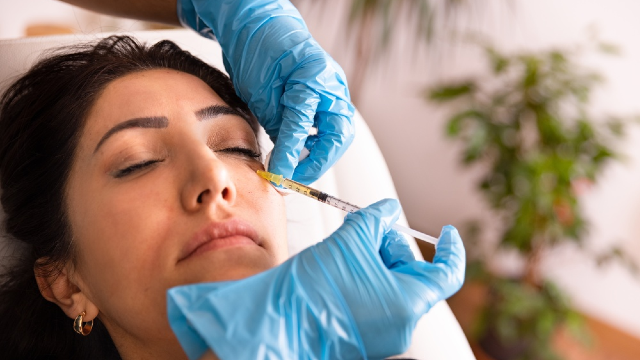
Stem Cell Skin Treatment Korea 2026 Clinical Guide
Discover the definitive 2026 guide to stem cell skin treatment in Korea at Beautiful Story Clinic. Learn about IV therapy and fat grafting safety.
Learn More
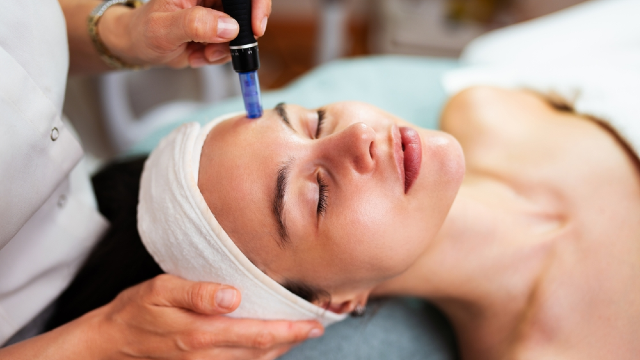
Oligio RF Korea Results Cost and Professional Guide 2026
Discover the benefits of Oligio RF Korea for non surgical skin tightening. Learn about results and costs in Seoul versus the USA from Dr. SEO BINNA today.
Learn More