Beauty Story Clinic Gangnam — Personalized 1:1 Aesthetic Care & Anti-Aging Specialists

Medical Guide
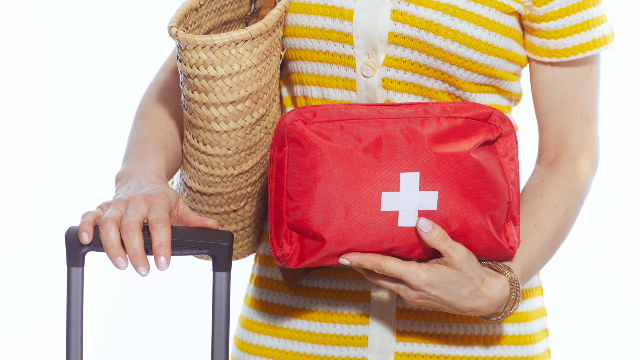
What to Pack for Your Medical Tourism Trip to Seoul
Packing guide for a Seoul medical tourism trip: documents, records, medications, and post-treatment skincare, with CDC travel-health tips.
Schedule a ConsultationWhat to Pack for Your Medical Tourism Trip to Seoul
Medically reviewed by Dr. SEO BINNA, Korean Board-Certified Plastic Surgeon
Packing for a medical tourism trip is a little different from packing for a vacation. You are still traveling to a major, well-connected city — Seoul — but you are also traveling as a patient, which means your bag needs to carry a few things a typical tourist would never think about: the right documents, an accurate medication list, copies of your medical records, and the specific supplies that make recovery from a non-surgical treatment more comfortable. Getting this right in advance reduces stress on both ends of the trip and helps your care team in Seoul work from complete information.
This guide is a practical, general packing checklist for US patients heading to Seoul for aesthetic or dermatologic care. It anchors the health-preparation points to guidance from the US Centers for Disease Control and Prevention (CDC) on travelers' health and medical tourism, and it deliberately avoids inventing clinic-specific rules. Any requirement unique to your treatment or clinic — what to bring on the day, when to stop certain products, or how to prepare your skin — should come directly from the clinic you have chosen. This article is educational and is not a self-diagnosis tool; it does not replace an in-person consultation and individualized medical advice from a qualified physician.
Start With Your Documents
Documents are the single most important category, because losing or forgetting them can derail the entire trip. Build a document kit before you pack anything else, and keep it somewhere you will not check into the cargo hold.
- Passport. Confirm it is valid and check the expiration date well before you leave; many travelers keep several months of validity beyond their return date as a general precaution. Your passport is your primary identity and travel document, so treat it as the anchor of your document kit.
- Entry and travel authorization. Entry requirements for Korea can change, so verify the current rules for US citizens with the official sources before you travel — the Korean embassy or consulate and the official Korean government travel and entry platforms. Do not rely on older blog posts or on what a friend needed last year; confirm what applies on your travel dates.
- Return and onward travel details. Keep your flight confirmations, accommodation bookings, and any transport reservations accessible both on your phone and, ideally, on paper. Signal or roaming issues at the airport are much easier to weather when you have a printed backup.
- Insurance information. Bring the details of any travel and health insurance you hold, including how coverage works abroad and any documentation your insurer requires. The CDC recommends that travelers understand their coverage before departure, including whether it applies to care received in another country and to medical evacuation.
- Emergency contacts. Write down the contact information for your clinic in Seoul, your accommodation, a family member or friend at home, and the nearest US embassy or consulate. Keep a copy separate from your phone in case the phone is lost.
A simple, effective habit is to make two sets of copies of your most critical documents — one physical set kept separately from the originals, and one digital set stored securely, such as in an encrypted folder or a password-protected cloud account you can reach from any device.
Your Medical Records and Medication List
This is the category that most distinguishes a medical trip from a leisure trip, and it is where the CDC's guidance on medical tourism is directly relevant. The CDC advises travelers seeking care abroad to bring copies of their medical records and to carry clear information about their health history and medications, so that the treating team works from complete information and so any clinician you see later can understand what was done.
- A current medication list. Write out every prescription and over-the-counter medication and supplement you take, using generic names as well as brand names, with doses and frequencies. Drug brand names differ between countries, so the generic name is what makes your list universally understandable. Include anything you take only occasionally, such as pain relievers, allergy medication, or supplements, because some of these can affect procedures — for example, certain blood-thinning medications and supplements can increase bruising.
- Copies of relevant medical records. Bring documentation of any conditions, allergies, prior procedures, and recent relevant test results that your treating physician may need to know about. You do not need your entire medical history, but you do need anything that bears on safety and on the treatment you are planning. If you are unsure what is relevant, ask both your physician at home and the clinic in Seoul.
- An allergy and reaction list. Clearly note any drug allergies, reactions to anesthetics or numbing agents, latex allergy, or history of adverse reactions to injectables or skincare ingredients. This is safety-critical information that should be easy to hand over on arrival.
- Your own prescription medications in their original packaging. Pack enough of your regular medications to cover the full trip plus a buffer in case of delays, keep them in your carry-on rather than checked luggage, and retain the original labeling. It is also sensible to carry a copy of the prescriptions themselves. Rules about which medications may be brought into Korea can vary, so if you take any controlled or unusual medication, verify the rules with the Korean embassy or consulate in advance rather than assuming.
Keeping this medical kit in your carry-on, alongside your documents, means the information you most need is with you at all times and is not at the mercy of checked-baggage delays.
Health Preparation Before You Go
The CDC recommends that travelers prepare their health before an international trip, and a medical tourism trip is no exception. Ideally, see your own healthcare provider well before departure to make sure any ongoing conditions are stable and to discuss your travel plans. This is also the moment to review routine vaccinations and to ask whether anything specific is recommended for your itinerary; the CDC's destination pages are a reasonable starting point for that conversation, but the decision belongs with your clinician.
It is worth thinking about timing, too. Some treatments have activity restrictions or short recovery windows, and the CDC notes that travel itself — long flights, changes in routine — interacts with recovery from any procedure. Building a sensible cushion into your schedule, rather than flying home the morning after a treatment, gives your body room and gives you access to your care team if a question comes up. Exactly how much time to allow depends on your specific plan, so confirm that with the clinic when you book.
Post-Treatment Skincare and Sun Protection
Many non-surgical aesthetic treatments leave the skin temporarily more sensitive, and some involve mild redness, swelling, or bruising for a period afterward. Packing thoughtfully for this makes recovery more comfortable and helps protect your results. The specifics of what you should and should not use, and when, must come from your clinic — but a few general categories are worth planning for.
- Gentle, fragrance-free skincare. A mild cleanser and a simple, non-irritating moisturizer are useful when skin is recovering, because harsh actives can aggravate sensitive skin. Avoid introducing new or strong products around the time of treatment unless your clinician has cleared them.
- Broad-spectrum sun protection. Sun protection is one of the most consistently recommended parts of post-treatment care, because treated or healing skin can be more vulnerable to the sun and to pigment changes. A broad-spectrum sunscreen, along with a hat and sunglasses, is worth packing regardless of the season. Reapplication matters as much as the initial application.
- Cover-up basics. If you are prone to bruising or expect temporary redness, packing a hat, a scarf, and perhaps a color-correcting or gentle concealer that your clinician approves can help you feel more at ease out and about — but check first, since not every product suits freshly treated skin.
- Comfortable clothing. Loose, soft, layered clothing is practical for a medical trip. Tops that do not need to be pulled over your face are convenient after facial treatments, and layers help you adapt to Seoul's distinct seasons, from humid summers to cold winters. Comfortable, broken-in shoes matter because you will likely be walking through a large airport and around the city.
Whatever aftercare you bring, treat the clinic's own instructions as the authority. If their guidance differs from a general tip in this article, follow the clinic.
Practical Comfort and Everyday Items
Beyond the medical essentials, a handful of ordinary items make a medical trip smoother.
- Electronics and adapters. South Korea uses its own plug type and mains voltage, so bring the correct travel adapter and check that your devices handle the local voltage. A portable battery pack is genuinely useful on long transit and clinic days.
- A small comfort kit. A refillable water bottle, lip balm, hand cream, tissues, hand sanitizer, and any items that help you rest on a long flight all earn their place. Cabin air is drying, and hydration is generally good practice around travel and recovery.
- Payment and connectivity. Have a plan for money and mobile data — a mix of payment methods and a way to stay connected for maps, translation, and contacting your clinic. Confirm the practical details, such as any clinic contact channels, with the clinic directly rather than assuming.
- A light bag for clinic days. Something to carry your document kit, medication list, water, and aftercare items to appointments keeps everything you need in one place.
What to Confirm With the Clinic — Not This Article
Some of the most important packing questions are, by design, not answered here, because they are clinic- and treatment-specific and should not be guessed at. Ask your clinic directly about: anything to bring or prepare on the day of treatment; whether to pause any medications, supplements, or skincare ingredients beforehand and for how long; specific aftercare products they recommend or provide; and any logistics such as transport or scheduling around your appointments. Beautiful Story Clinic in Gangnam, Seoul, is a Registered Medical Institution for Attracting Foreign Patients certified by the Korean Ministry of Health and Welfare (MOHW) and provides English-language international patient support, so these questions can be raised before you travel. That MOHW registration is a Korean government designation authorizing the clinic to treat international patients; it is not US or JCI accreditation, and it is not a guarantee of any outcome.
Bottom Line
Packing for a medical tourism trip to Seoul comes down to three priorities beyond ordinary travel: your documents, your medical information, and your recovery supplies. Assemble a document kit with your passport, verified entry requirements, insurance details, and emergency contacts, and keep copies separate from the originals. Build a medical kit — a generic-name medication list, relevant records, an allergy list, and your own medications in your carry-on — because complete information keeps care safe and continuous, exactly as the CDC advises for care abroad. Prepare your health before you go, allow a sensible cushion in your schedule, and pack gentle skincare, broad-spectrum sun protection, and comfortable clothing for the recovery period. Then route every treatment- and clinic-specific question to the clinic itself. Results and recovery vary between individuals, and this article is not a self-diagnosis tool; an in-person consultation with a qualified physician is what determines what is right for you.
Frequently Asked Questions
**What documents should I pack for a medical trip to Seoul?**At minimum: a valid passport, confirmation that you meet current entry requirements for US citizens (verified with the Korean embassy or consulate and official sources), travel and health insurance details, flight and accommodation confirmations, and a list of emergency contacts including your clinic and the nearest US embassy. Keep separate physical and secure digital copies of the most critical items.
**Should I bring my medical records and a medication list?**Yes. The CDC recommends that people seeking care abroad carry copies of relevant medical records and a clear list of medications. Write your medication list using generic names with doses, include allergies and reactions, and bring your own prescription medications in your carry-on in their original packaging with enough supply for the whole trip plus a buffer.
**Can I bring my prescription medications into Korea?**Bring your regular medications in your carry-on in original packaging, with copies of the prescriptions. Rules on importing medications can vary, especially for controlled or unusual drugs, so verify the current requirements with the Korean embassy or consulate before you travel rather than assuming.
**What skincare should I pack for after a non-surgical treatment?**Plan for gentle, fragrance-free cleanser and moisturizer, broad-spectrum sunscreen, and cover-up basics like a hat and sunglasses, since treated skin can be temporarily more sensitive and sun-vulnerable. The exact products and timing should follow your clinic's specific aftercare instructions, which take priority over any general tip.
**How much time should I plan to stay after treatment?**It depends on your specific treatment plan, the number of sessions, and recovery, so confirm this with the clinic. As a general principle, avoid scheduling a flight home immediately after a treatment; a sensible cushion gives your body room and keeps your care team accessible if a question arises.
This article is for general education only and is not a self-diagnosis tool or a substitute for professional medical advice. Any packing requirement, aftercare instruction, or pre-treatment preparation specific to your care should be confirmed directly with your clinic and with a qualified physician such as Dr. SEO BINNA. Entry, travel, and medication-import rules change; verify current requirements with the Korean embassy or consulate and official government sources before you travel. Recovery and results vary between individuals, and all treatments carry risks that should be discussed with your physician. Review current CDC travelers' health and medical-tourism guidance as part of your preparation.
Clinical References & Related Hospital Guides
- Related Clinic Pages: About Our Clinic & Safety Standards · Clinical Centers & Specialties · 1:1 Consultation & Appointment Inquiry
- Authoritative Medical References: American Society of Plastic Surgeons (ASPS) · Korean Society of Plastic and Reconstructive Surgeons (KSPRS)
More Articles
Continue reading our clinical guides.

Dr. SEO BINNA Guide To Seoul Plastic Surgery Excellence
Learn why Dr SEO BINNA is the premier choice for lifting and surgery in Seoul. Discover Beautiful Story Clinic for expert care and natural results.
Learn More
Stem Cell Skin Treatment Korea 2026 Clinical Guide
Discover the definitive 2026 guide to stem cell skin treatment in Korea at Beautiful Story Clinic. Learn about IV therapy and fat grafting safety.
Learn More
Oligio RF Korea Results Cost and Professional Guide 2026
Discover the benefits of Oligio RF Korea for non surgical skin tightening. Learn about results and costs in Seoul versus the USA from Dr. SEO BINNA today.
Learn More